7 Machines You Actually Need to Manufacture Boxes (And Why Skipping One Wrecks Your Margins)
Starting a box manufacturing operation looks simple from the outside: buy some machines, feed in paper, ship out boxes. In reality, the equipment lineup you choose in month one decides your production speed, your print quality, and your profit margin for years afterward. Get it wrong, and you're stuck retrofitting a factory floor while competitors undercut you on turnaround time.
This guide breaks down exactly which machines a box manufacturing line needs, why each one matters, and how to sequence your investment so you don't overspend on capacity you can't yet use — or underspend on capacity you desperately need.
Planning a box manufacturing line?
Boson Tera Pack manufactures every machine in this guide — from corrugators to flexo printer-slotters to die-cutters — and helps you sequence your investment for your actual production volume.
Request a Free Consultation →Why Machine Selection Determines Your Box Business's Margins
Box manufacturing isn't one process — it's a chain of processes, and each machine in that chain either protects your margin or quietly erodes it. A mismatched printer-slotter creates registration errors that force costly reprints. An undersized die-cutter throttles your daily output no matter how fast the rest of the line runs. Every machine is a link, and the chain is only as strong as its weakest one.
The stakes are rising, too. Demand for corrugated packaging keeps climbing as e-commerce fulfillment grows, and one recent industry estimate placed the global corrugated packaging market above 220 billion dollars in 2025, with continued annual growth projected through the mid-2030s (Global Market Insights). That growth is an opportunity, but only for manufacturers whose equipment can actually keep pace with rising order volume.
1. Corrugating or Board-Forming Line
This is where raw paper becomes corrugated board — the fluted medium sandwiched between two flat liners that gives boxes their strength. It's the most capital-intensive stage of the chain and typically the starting point for large-scale, vertically integrated producers.
A corrugator feeds kraft paper reels in, shapes the fluting medium into a wavy pattern, bonds it to linerboard with starch adhesive, and outputs continuous corrugated board. If you're sourcing pre-made board from a supplier rather than manufacturing it yourself, you can skip this machine initially — but every vertically integrated box plant eventually needs one to control cost and lead time.
2. Flexo Printer-Slotter
Once board exists, a flexo printer-slotter prints your branding, scores the fold lines, and cuts the slots that let the box fold into shape — all in a single pass. This machine is where print quality, registration accuracy, and daily throughput are won or lost, making it arguably the highest-impact single investment for most box manufacturers.
A well-specified flexo printer-slotter can run 1–4 colors of flexographic printing inline with creasing, slotting, and sometimes rotary die-cutting. If you're starting a box manufacturing business, this is the machine you buy first — it's where most of your value-add happens.
💡 Pro Tip: The Flexo Printer-Slotter Is Your Margin Engine
Most new operators start with a flexo printer-slotter and a gluing unit, sourcing pre-made board rather than investing in a full corrugating line. This keeps upfront capital lower while still producing branded, structurally sound boxes. Ask our engineers about modular entry configurations →
3. Die-Cutting Machine
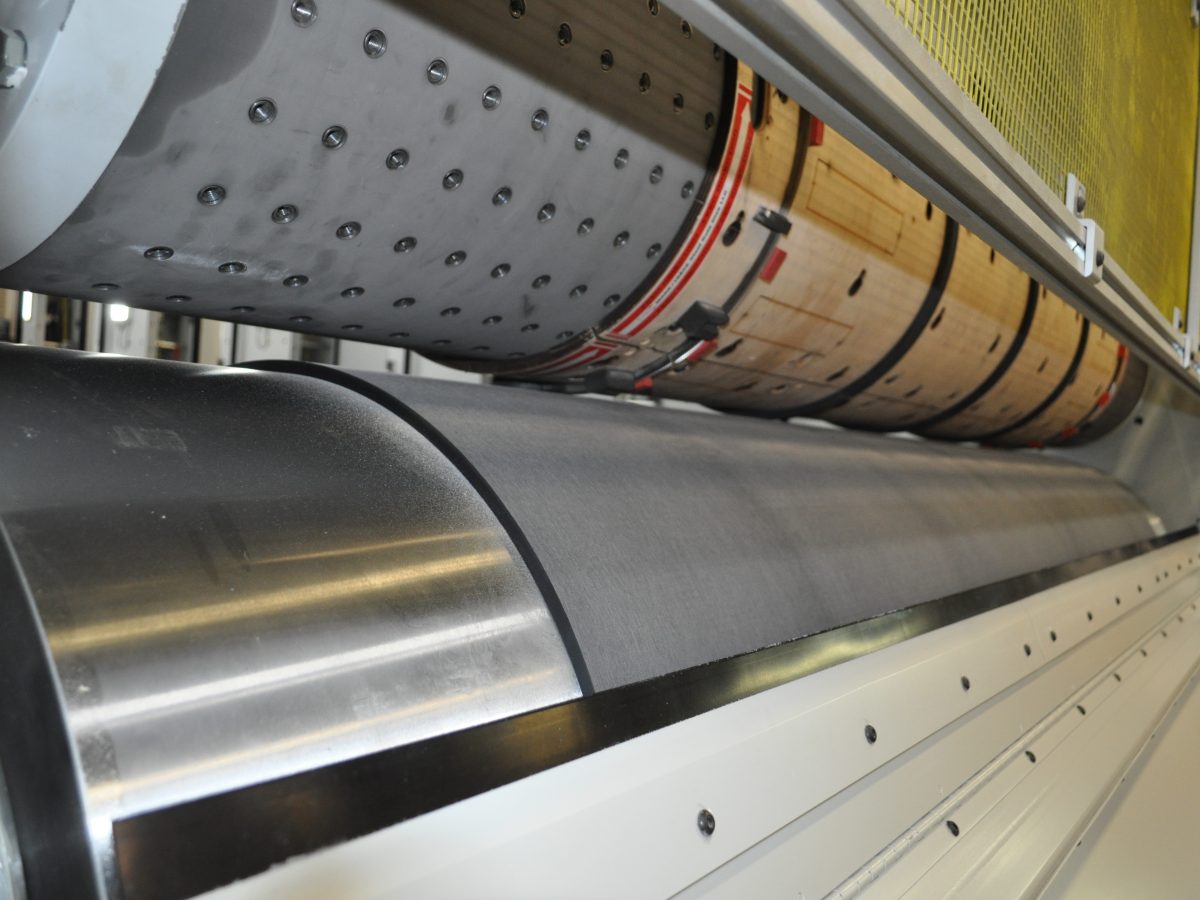
For custom shapes, windows, handles, or non-standard box designs, a die-cutter stamps precise cuts that a slotter alone can't achieve. If your product line leans toward retail-ready or specialty packaging, this machine becomes essential rather than optional.
Die-cutting uses a custom steel-rule die to cut the corrugated blank into any shape — self-locking tabs, display windows, carrying handles, or internal inserts. It costs more than slotting, but it's the only way to produce the custom geometries that retail and subscription brands demand.
4. Stitching, Gluing, or Taping Machine
Boxes need to hold together. Stitching machines staple corners, gluers bond flaps with adhesive, and taping units seal high-speed production runs. Your choice here depends heavily on end-use — food-grade packaging, for instance, often demands glue over staples.
A folder-gluer folds the converted blank and applies adhesive along the manufacturer's joint in a continuous, automated process. For high-volume RSC production, this is where the final assembly happens at speed.
5. Baling or Bundling Machine
Finished boxes need to be compressed, bundled, and prepared for shipment efficiently. Skipping this step means manual labor eating into the time savings your upstream machines just created.
A baling or bundling machine stacks finished, flat-packed boxes into uniform bundles, straps them, and palletizes them for dispatch. It's the difference between an automated line and a line that bottlenecks at the packing stage.
Are you missing a machine from your line?
Every missing machine is a bottleneck that costs you throughput and margin. Our engineering team audits your production line and recommends the exact equipment you need — nothing more, nothing less.
Get a Line Audit →6. Kraft Paper Bag Machine (for bag-format packaging)
If your product mix extends beyond boxes into kraft paper bags — increasingly common as businesses diversify away from plastic — a dedicated bag-forming machine with print capability lets you serve both markets from one facility.
Our CY-Series and BSQ-Series kraft paper bag machines produce both V-bottom and square-bottom bags with optional integrated flexo printing, giving you a second revenue stream from the same facility and customer base.
7. Quality Control and Inspection Equipment
Often overlooked, inspection stations catch registration errors, structural weaknesses, and print defects before they reach a customer. The cost of catching a defect on the floor is a fraction of the cost of a returned shipment.
Modern QC equipment ranges from manual inspection tables to automated vision systems that scan every sheet for registration, print quality, and structural integrity. The ROI is simple: one rejected shipment from a major customer can cost more than the entire QC station.
How to Choose the Right Machinery for Your Production Volume
Don't buy for the volume you hope to hit in year three. Buy for the volume you can realistically fill in year one, with a clear upgrade path once demand proves itself. Talk directly with manufacturers about modular expansion options, confirm lead times before you commit to a launch date, and prioritize suppliers who provide direct engineering support rather than routing every question through a reseller.
| Stage | Machine | When to Invest | Impact on Margins |
|---|---|---|---|
| Board forming | Corrugator | When you need vertical integration | Highest capital, lowest per-unit board cost |
| Printing & slotting | Flexo printer-slotter | From day one — your margin engine | Highest single impact on quality and throughput |
| Custom cutting | Die-cutter | When retail/custom formats are needed | Unlocks premium price points |
| Assembly | Folder-gluer / stitcher | From day one | Required for finished-box output |
| Packing | Baling / bundling | When volume exceeds manual capacity | Prevents end-of-line bottleneck |
| Diversification | Kraft paper bag machine | When expanding into bag formats | New revenue stream, same customers |
| Risk mitigation | QC / inspection | From day one — cheapest insurance | Prevents costly returns |
Conclusion
Manufacturing boxes profitably isn't about owning the most machines — it's about owning the right ones, sequenced correctly, and sized to your actual demand. Start with the equipment that protects quality and throughput at your current scale, build in room to expand, and treat every machine purchase as a long-term operational decision, not just a line item. Get the sequence right, and the growing demand for corrugated and kraft packaging becomes your advantage instead of your bottleneck.
This article is part of our blog series, From Corrugated Board to a Profitable Box Manufacturing Business. Read the first article: How Corrugated Cardboard Is Made: From Kraft Paper to Finished Box.
Ready to build your box manufacturing line?
From corrugators to flexo printers to die-cutters — we manufacture every machine in this guide and help you sequence your investment for your actual volume.
At Boson Tera Pack, we manufacture the full chain of equipment needed to produce corrugated boxes at industrial scale — from corrugating lines and flexo printer-slotters to die-cutters, folder-gluers, and kraft paper bag machines. Contact our engineering team to plan your production line from the ground up.
Related Articles
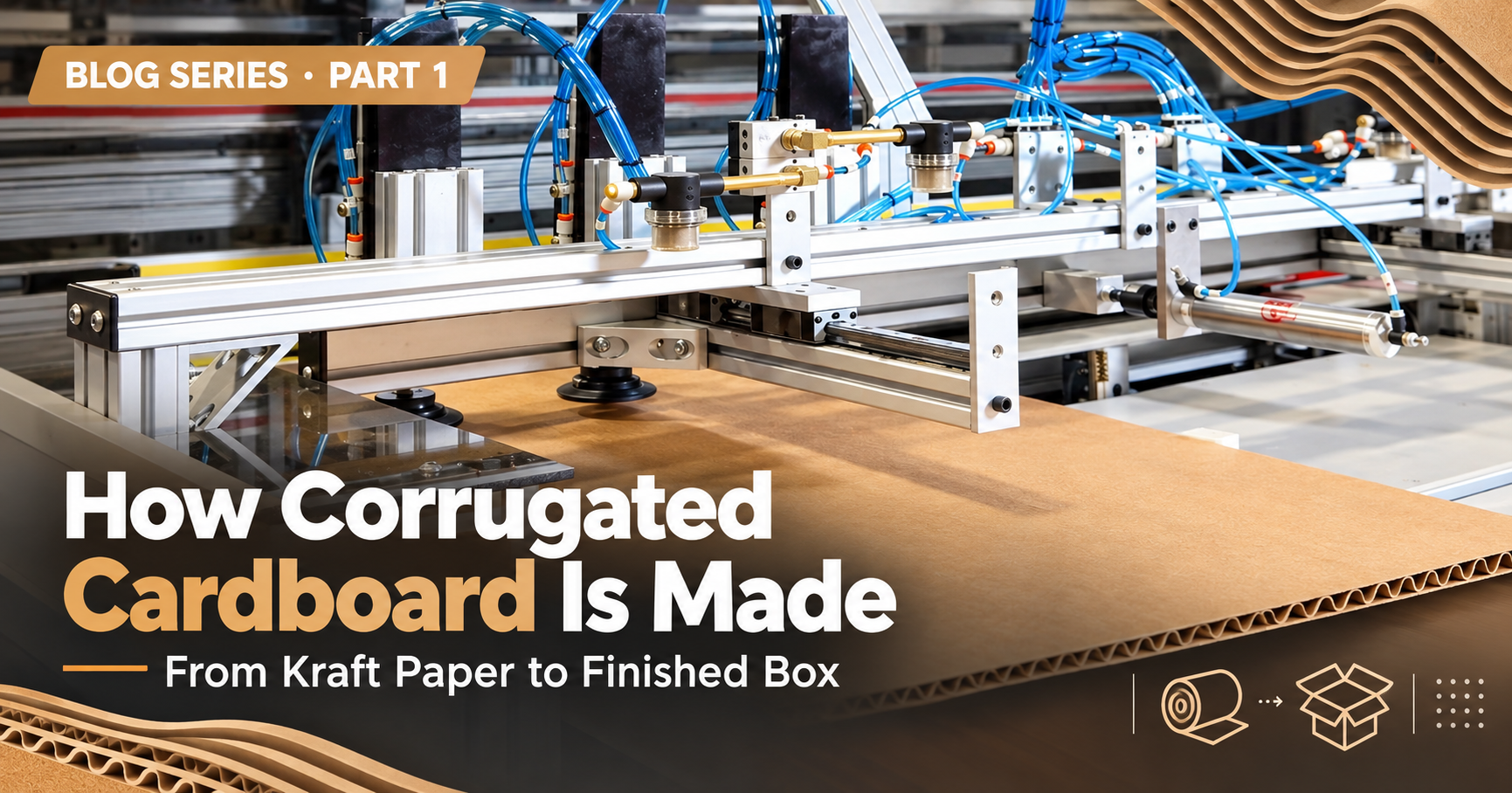
How Corrugated Cardboard Is Made: From Kraft Paper to Finished Box
Learn how corrugated cardboard is made step by step — from kraft paper and fluting to corrugation, printing, and the finished box. Part 1 of our box manufacturing series.
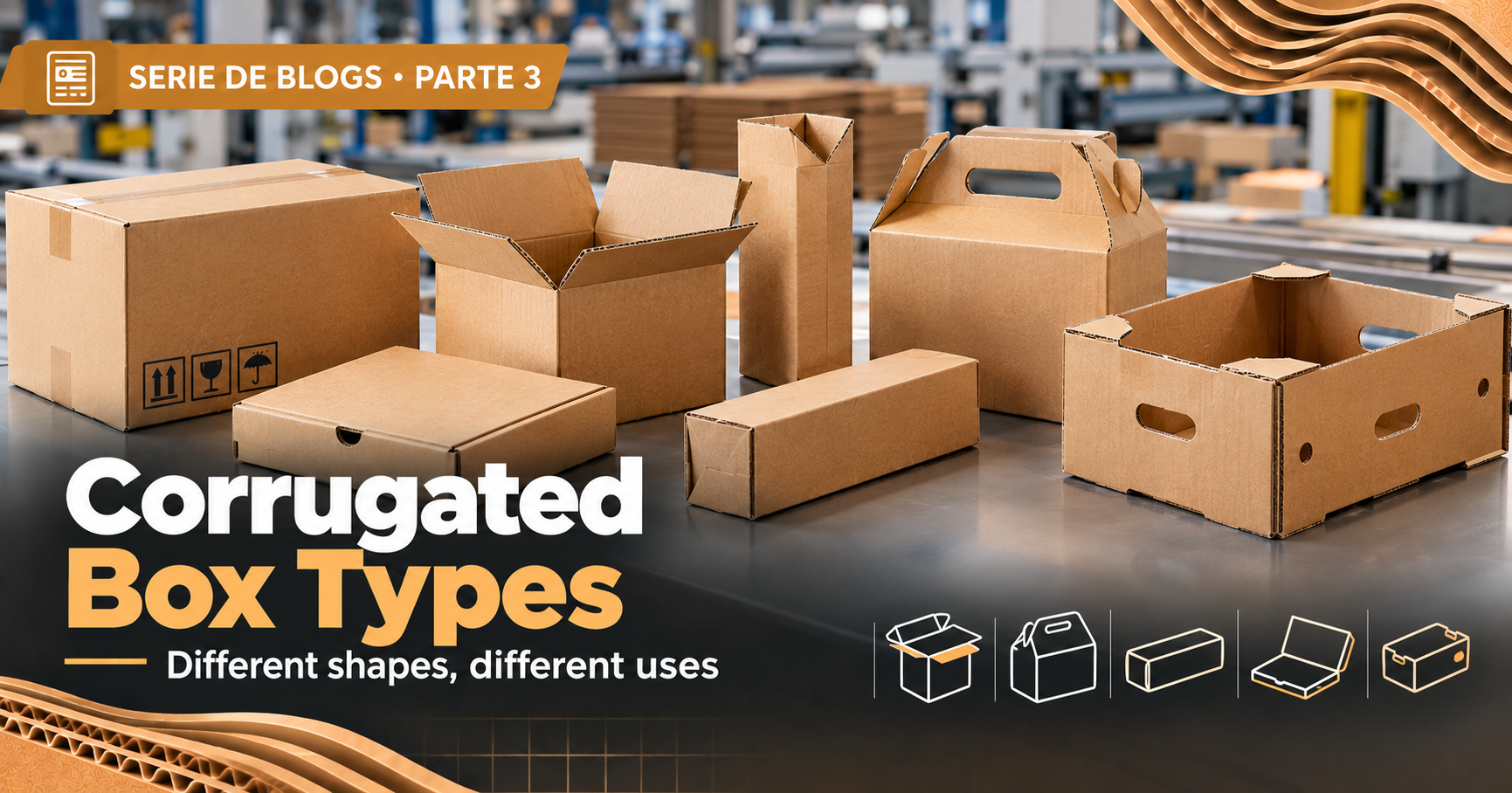
Corrugated Box Types: A Complete Guide to Every Style (2026)
A comprehensive, expert guide to the six most common corrugated box types — RSC, FOL, HSC, die-cut, telescoping, and five-panel folders. Compare costs, FEFCO codes, strength ratings, and best-use applications to choose the right packaging for your products.
Cardboard Box Die Cutter Problems: 10 Common Issues and Practical Fixes
A working checklist of the 10 most common cardboard box die cutter problems — uneven cuts, misalignment, crushed flutes, burrs, poor creasing, and more — with practical fixes experienced production teams use to prevent them.