Cardboard Box Die Cutter Problems: 10 Common Issues and Practical Fixes
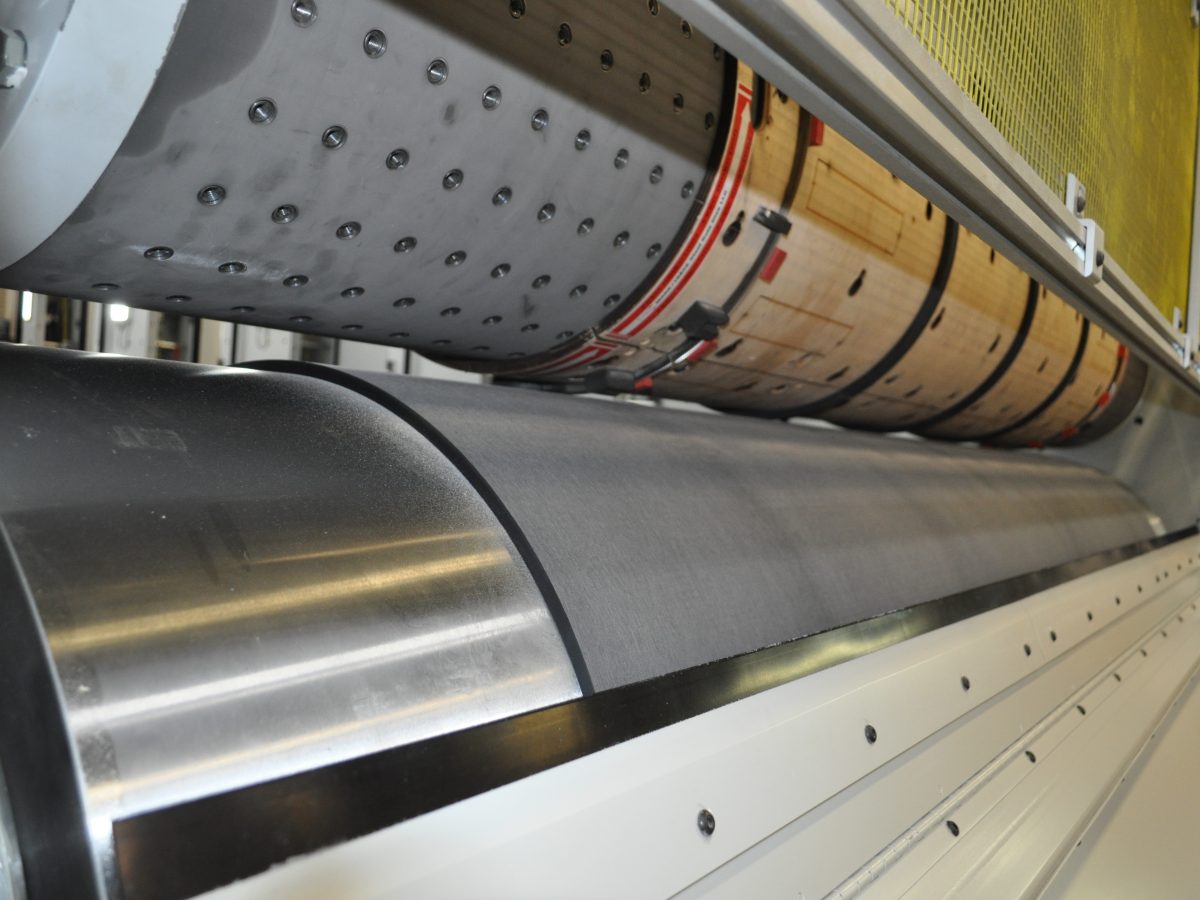
Corrugated packaging lives or dies on precision. A die cutter that's even slightly off produces boxes that don't fold cleanly, don't protect the product, or simply don't look professional on a retail shelf. Whether you're running a rotary die cutter, a flatbed press, or a fully automated die-cutting line, the same handful of issues tend to resurface across the industry — and they're almost always preventable.
This guide walks through the ten most common die cutter problems, what causes them, and how experienced production teams fix them. If you run a corrugated plant, treat this as a working checklist for your maintenance and training program.
Experiencing die-cutting issues on your line?
Boson Tera Pack engineers die-cutting systems with automatic pressure compensation, servo-controlled alignment, and quick-lock tooling to eliminate the problems in this guide.
Request a Free Consultation →1. Uneven Cutting Depth
What you'll notice: incomplete cuts, boxes that need manual trimming, and a creeping scrap rate.
Usual causes: worn die blades, uneven pressure across the cutting bed, or an anvil roll/die cylinder that's no longer true.
Fix it:
- Sharpen or replace die knives on a set schedule, not just when they fail
- Calibrate pressure across the entire width of the machine, not just the center
- Inspect and rotate the anvil roll or die cylinder periodically
- Standardize on consistent, quality corrugated stock — variable board thickness will fake a pressure problem that isn't really there
2. Print, Crease, and Die-Cut Misalignment
What you'll notice: artwork that doesn't line up with the die-cut edge, crease lines sitting in the wrong place, boxes that fight you when folded.
Usual causes: manual registration drift, worn servo components or encoders, or timing errors in sheet feeding.
Fix it:
- Move to automatic registration sensors instead of manual setup
- Inspect servo motors, encoders, and belts on a maintenance rotation
- Keep sheet feeding timing consistent — inconsistent feeding is often the real source of "alignment" complaints
- Build in a routine alignment check, not just a reactive one
💡 Pro Tip: Servo-Controlled Alignment
Our BS-ST Flexo Printer Slotter Die Cutter uses Siemens PLC control with servo-driven phase adjustment, holding print-to-cut alignment across long runs. Ask our engineers →
3. Crushed Edges or Broken Flutes
What you'll notice: boxes that feel weak, visibly damaged edges, compromised stacking strength.
Usual causes: too much cutting pressure, blunt dies, or an anvil gap that doesn't match the flute profile.
Fix it:
- Set cutting pressure by board type instead of using one setting for everything
- Keep dies on a sharpening/replacement cycle
- Match anvil roll settings to the flute you're running (E, B, C, or BC) — this is one of the most overlooked adjustments on the floor
4. Inconsistent Sheet Feeding
What you'll notice: skewed sheets, double feeds or missed feeds, oddly shaped or off-register cuts.
Usual causes: worn feed belts or suction cups, wrong vacuum settings, or a poorly squared sheet pile.
Fix it:
- Replace feed belts and suction cups before they visibly fail
- Tune vacuum suction to the board weight you're running
- Square and align sheet piles carefully before loading
- Add anti-static equipment if sheet-sticking is an issue in your environment
5. Burrs and Rough Edges
What you'll notice: fuzzy, torn, or ragged cut edges and a generally unfinished look.
Usual causes: dull or damaged blades, wrong cutting angle, or humidity affecting the paperboard.
Fix it:
- Replace or sharpen blades on schedule
- Check and correct the cutting angle
- Keep shop humidity in the 45–55% range
- Source consistent, quality corrugated sheets — cheap or inconsistent stock tears instead of cutting cleanly
6. Poor Creasing Quality
What you'll notice: cracked folds, uneven crease depth, boxes that don't assemble squarely.
Usual causes: incorrect crease pressure, worn creasing rules, or a groove width that doesn't match the flute.
Fix it:
- Match groove width to board thickness (E, B, C flutes each need different settings)
- Replace creasing rules once they wear
- Fine-tune scoring pressure for a clean, consistent fold
7. Over-Pressure and Premature Tool Wear
What you'll notice: dies wearing out faster than expected, accelerated anvil wear, rising maintenance costs.
Usual causes: operators over-compensating with pressure, or incorrect setup during changeovers.
Fix it:
- Train operators specifically on correct pressure settings — this is often a training gap, not an equipment fault
- Use machines with automatic pressure compensation where possible
- Rotate or resurface anvil sleeves on a regular schedule
Stop fighting pressure settings manually
Our die-cutting systems feature automatic pressure compensation and computerized adjustment — reducing tool wear and operator error.
Explore Die-Cutting Machines →8. Accuracy Loss at High Speed
What you'll notice: dimensions drifting, edges that look dragged or stretched at higher run speeds.
Usual causes: frame vibration, insufficient structural rigidity, or servo synchronization lag.
Fix it:
- Check the frame and tighten all joints
- Recalibrate servos
- Reduce speed for thin or fragile board rather than pushing through inaccuracy
9. Slow Order Changeovers
What you'll notice: significant downtime between jobs, falling production efficiency.
Usual causes: manual die setup, older or clunky die-mounting systems.
Fix it:
- Move to quick-lock die-cutting frames
- Invest in automatic plate-changing systems
- Store digital job settings for repeat orders so setup isn't rebuilt from scratch each time
- Pre-score die layouts you run frequently
10. Excessive Waste and High Scrap Rate
What you'll notice: more trim waste than expected, rising material cost, inconsistent cuts.
Usual causes: poor die layout/nesting, misaligned anvil or die cylinder, low-quality board stock.
Fix it:
- Optimize die layout with CAD nesting software
- Build routine alignment checks into your maintenance schedule
- Upgrade board quality where scrap is chronic
- Keep the feeding path clean and free of debris
The Bigger Picture: Prevention Beats Repair
Almost every problem on this list traces back to one of three root causes: worn tooling, drifting alignment, or inconsistent materials. A structured preventive maintenance schedule — daily belt and blade checks, weekly alignment inspections, monthly full calibration — catches most of these before they become production problems.
Well-built equipment and well-trained operators matter just as much as the fix list itself. At Boson Tera Pack, our die-cutting systems are engineered around exactly these failure points: automatic pressure compensation to prevent over-pressure wear, precise servo control to hold alignment across long runs, quick-lock tooling for faster changeovers, and reliable handling across a wide range of board types and flutes. We also provide operator training and ongoing technical support, because consistent output depends as much on the people running the machine as on the machine itself.
The result for our customers: fewer surprises on the floor, lower scrap rates, and boxes that meet spec run after run.
Ready to eliminate die-cutting problems on your line?
From automatic pressure compensation to servo-controlled alignment — we build die cutters that solve every issue in this guide.
Frequently Asked Questions
How often should I maintain my die cutter?
Check feeding belts, suction cups, and cutting dies daily. Inspect anvil rolls and alignment weekly. Run a full machine calibration monthly. A structured preventive maintenance schedule catches most die-cutting problems before they affect production.
Can one die cutter handle different board thicknesses?
Yes — most modern die cutters, including Boson Tera Pack's, handle everything from thin E-flute to double-wall board, provided cutting pressure, crease rules, and anvil gap are adjusted for each board type.
What causes print-to-cut misalignment?
Most often it's a combination of manual registration error, mechanical wear, and inconsistent sheet feeding. Automatic registration sensors and routine servo maintenance address the majority of cases.
How do I cut down on burrs and rough edges?
Sharpen or replace dies on schedule, verify the cutting angle is correct, control shop humidity in the 45–55% range, and use consistent, quality board stock.
What's the fastest way to speed up changeovers?
Quick-change die mounting, stored digital job settings, and pre-scored layouts for repeat jobs are the biggest levers for reducing changeover downtime.
What should I check first if scrap rates spike?
Start with die layout/nesting, then check alignment, feeding path cleanliness, and board quality — in that order. Most scrap rate spikes trace back to one of these four factors.
Can I run high speeds without losing accuracy?
Yes, but it depends on frame rigidity, servo maintenance, and proper material handling. Machines designed for high-speed operation, like Boson Tera Pack's, are built to hold precision at speed — but even then, thin or fragile board sometimes calls for a lower run speed.
At Boson Tera Pack, we manufacture die-cutting machinery engineered to prevent these common problems. Our flat bed die cutters and flexo printer slotter die cutters feature automatic pressure compensation, servo-controlled alignment, and quick-lock tooling. Contact our engineering team to discuss your production challenges.
Related Articles
How Corrugated Cardboard Is Made: From Kraft Paper to Finished Box
Learn how corrugated cardboard is made step by step — from kraft paper and fluting to corrugation, printing, and the finished box. Part 1 of our box manufacturing series.

7 Machines You Actually Need to Manufacture Boxes (And Why Skipping One Wrecks Your Margins)
Discover the essential machines needed to manufacture boxes, from flexo printer-slotters to die-cutters, and learn how to sequence your equipment investment for maximum margin.
Corrugated Box Types: A Complete Guide to Every Style (2026)
A comprehensive, expert guide to the six most common corrugated box types — RSC, FOL, HSC, die-cut, telescoping, and five-panel folders. Compare costs, FEFCO codes, strength ratings, and best-use applications to choose the right packaging for your products.